2026-07-23 · 7 min read · Canyon Country · last reviewed 2026-09-17
By Michelle Dubner, REALTOR® · DRE #01496647 · Dubner Real Estate Group
Canyon Country Price Drop Explained
How much was this Canyon Country home's price reduced?
Real talk on a Canyon Country price adjustment: what it means and how Santa Clarita pricing works. Call 661-219-5517.
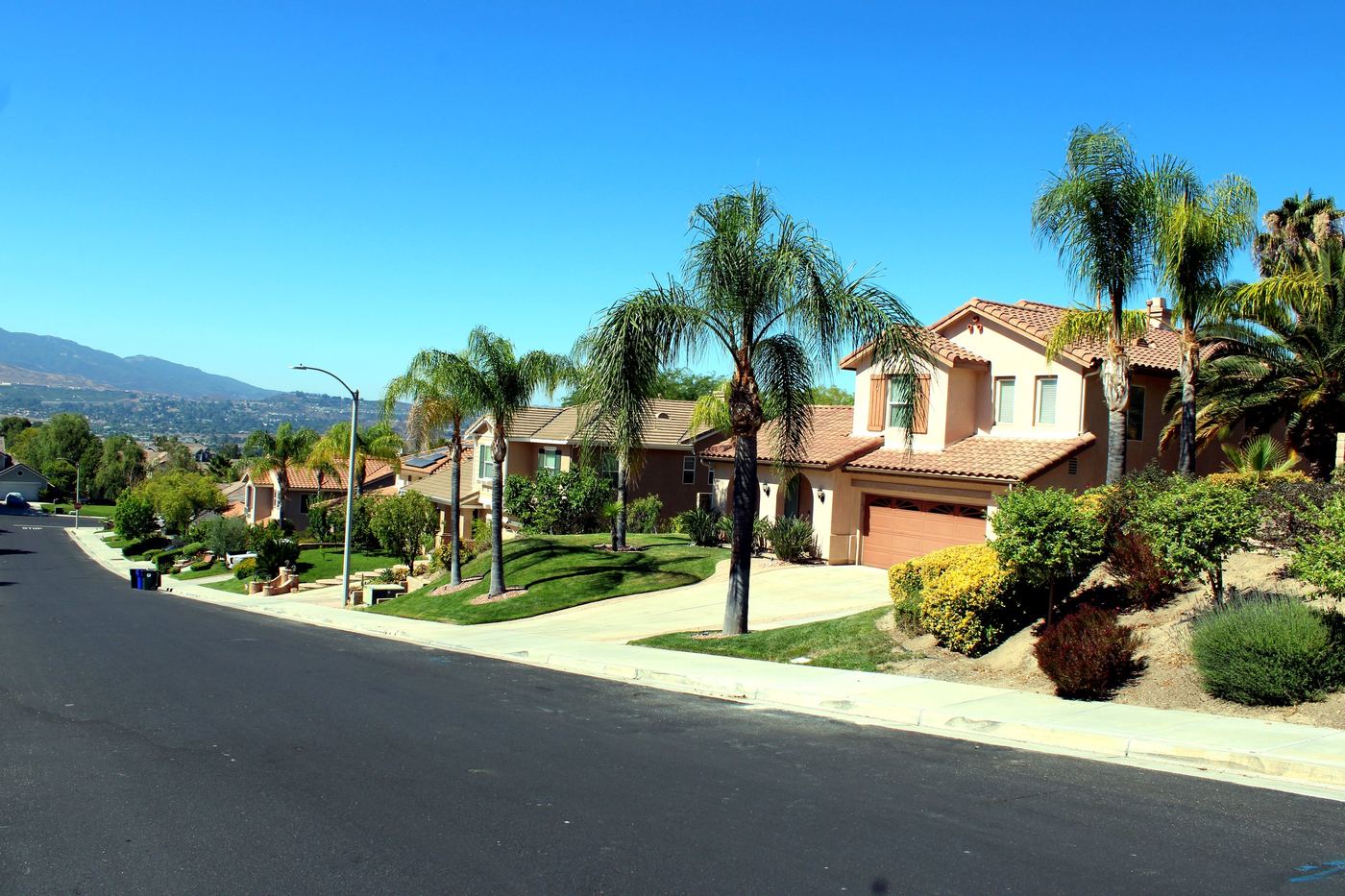
Part of Living in Canyon Country
Overview
Published by Michelle & Jon Dubner | Dubner Real Estate Group | Equity Union
A price adjustment on a listing tends to make sellers nervous before it even happens, because it sounds like something went wrong. It usually has not. Right now Jon and I have an active Canyon Country listing where we adjusted the price, and I want to walk you through what that move actually signals, because it is a normal part of reading the market, not a red flag on the house.
Key Takeaways
- A Canyon Country listing was reduced from $825,000 to $800,000 on July 7, a real, current example of a price adjustment in action
- The home is 3 bedrooms plus a den, 3 full baths, about 1,853 square feet, with a 3-car garage and built-in storage
- A price adjustment usually reflects the market, not a hidden problem with the house
- Jon and I build a price-review checkpoint into every listing instead of setting a number once and hoping
If you want the practical version of this for your own situation, here is what your home is actually worth today.
What does a price adjustment on a Canyon Country listing actually mean?
When a home's list price gets reduced, buyers and even some agents jump to the same conclusion: something must be wrong with it. In reality, a price adjustment almost always means the same thing every time. The home was priced against the market as it looked on day one, and after several weeks of real showings, real buyer feedback, and real comparable sales closing nearby, the number gets recalibrated to match where the market actually is today, not where it was a month ago.
This is not guesswork or panic. It is a seller and their agent reading current data and responding to it, which is exactly what a smart pricing strategy is supposed to do throughout a listing's life, not just on the day it goes live.
What does this specific Canyon Country home actually offer?
This active listing is 3 bedrooms plus a den that could easily work as a 4th bedroom, 3 full bathrooms, and about 1,853 square feet, with a 3-car garage that includes built-in storage. It was originally listed at $825,000 and was reduced to $800,000 on July 7. Those are real, current numbers on a real, active Canyon Country listing right now, not a hypothetical example.
A home with this much flexible space and garage storage is genuinely useful for a range of buyers, from a growing family who wants a home office or guest room to someone who wants a true 4th bedroom without paying for a bigger footprint. The adjustment reflects current buyer activity in this price range in Canyon Country, not anything about the home's condition or quality.
Why do Jon and I build a price-review checkpoint into every listing?
We never treat a list price as "set it and forget it." From the day a home goes active, we are watching showing feedback, tracking what is actually closing nearby, and comparing that against how the listing is performing. If a home is getting plenty of showings but no offers, that tells us something different than if it is getting almost no traffic at all, and the response to each of those situations is not the same.
Building in a real review point, rather than waiting for a seller to get frustrated and ask what is going on, means we can recommend a change while it still helps the home, not after it has already sat long enough to make buyers wonder why. A price adjustment made early and intentionally reads very differently to buyers than one that happens after months of silence.
What should a buyer or seller actually take away from seeing a reduced price?
If you are a buyer watching a Canyon Country listing and you see the price drop, take it as useful information, not a warning sign. It often means the seller is genuinely motivated and the home is now priced closer to where similar homes are actually trading. If you are a seller anywhere in Santa Clarita, this is the exact reason Jon and I talk about pricing strategy as an ongoing conversation through the life of a listing, not a single decision made once at launch and never revisited.
How does this connect to the wider Santa Clarita and Los Angeles market?
Canyon Country sits within the broader Santa Clarita Valley, and pricing strategy here follows the same principles that apply across Los Angeles County right now. Buyers have more choices and more time to compare than they did a couple of years ago, which means pricing has to track reality closely, not just hope the market catches up to a number. Whether you are already living in Canyon Country, relocating from elsewhere in Santa Clarita, or moving in from Los Angeles or further out, understanding how and why a price gets adjusted helps you read any listing more clearly.
📍 See Dubner Real Estate Group on Google, homes for sale in Santa Clarita
Wondering whether your Canyon Country home is priced right for today's market?
Jon and I can walk you through a real, current look at what is actually happening on your street, no pressure attached.
Call or text: 661-219-5517
Michelle & Jon Dubner · Dubner Real Estate Group · Equity Union
Here is where we go deeper on it: the Canyon Country market page we keep updated.